Tablet Press Machine Guide: Manufacturing Process, Types, and Technology Insights
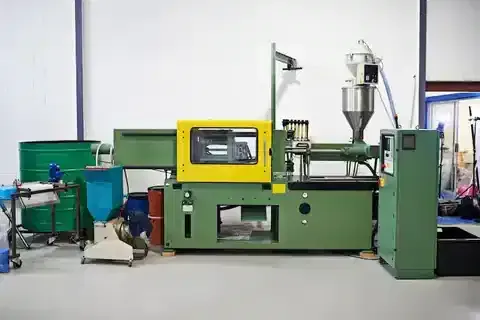
A tablet press machine is an industrial manufacturing device used to compress powder or granulated materials into solid tablets. These machines are widely used in the pharmaceutical industry, but they also appear in sectors such as nutraceutical production, chemical manufacturing, ceramics, and food processing.
The development of tablet compression technology dates back to the late 19th century when pharmaceutical manufacturers needed a consistent and efficient way to transform powdered formulations into solid dosage forms. Tablets quickly became one of the most widely used medication formats because they are stable, portable, and easy to store.
A typical tablet press machine works by compressing a measured amount of powder within a die using two punches. Pressure applied by mechanical systems compacts the material into a firm, uniform tablet.
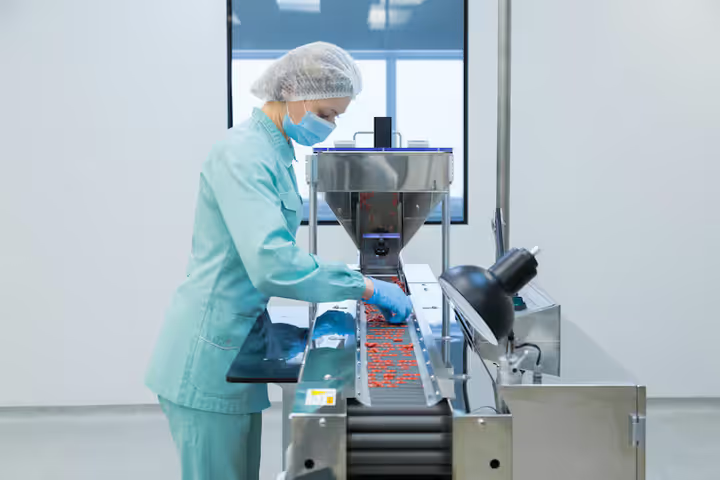
Modern tablet manufacturing environments rely heavily on automated pharmaceutical production equipment to maintain consistency and quality. Tablet press systems are integrated with computerized monitoring tools that help control compression force, tablet weight, and production speed.
Industries using tablet press machines include:
-
Pharmaceutical manufacturing
-
Nutritional supplement production
-
Chemical catalyst manufacturing
-
Industrial powder compaction
-
Veterinary medicine production
The machine’s purpose is to ensure uniformity, accurate dosage, and scalable production for millions of tablets per day.
Why Tablet Press Technology Matters Today
Tablet press machines remain essential in global healthcare systems because tablets represent one of the most common drug delivery formats. According to pharmaceutical manufacturing statistics, tablets account for more than 60% of all prescription medications worldwide.
This technology matters for several reasons.
First, tablet compression equipment allows manufacturers to maintain dosage accuracy and consistency, which is critical for medication safety. Every tablet must contain a controlled amount of active pharmaceutical ingredient (API).
Second, modern tablet production supports large-scale pharmaceutical manufacturing, which is necessary to supply global markets. High-speed rotary tablet presses can produce hundreds of thousands of tablets per hour.
Third, tablet press technology contributes to quality assurance and regulatory compliance. Machines now integrate sensors and process analytics that track compression force, hardness, and weight variation in real time.
Fourth, the equipment supports innovation in drug delivery systems, including:
-
Controlled-release tablets
-
Effervescent tablets
-
Chewable tablets
-
Multilayer tablets
Advancements in pharmaceutical engineering have made it possible to design tablets that dissolve at specific rates or release medication gradually over time.
The increasing demand for medications, dietary supplements, and over-the-counter health products has also driven rapid improvements in tablet manufacturing equipment.
Recent Updates and Industry Developments (2025–2026)
The tablet press machine industry has seen several technological developments over the past year, particularly in automation and digital monitoring.
In 2025, pharmaceutical manufacturing companies expanded the use of continuous manufacturing systems, where tablet production runs without interruption. This approach improves efficiency and reduces production downtime.
Another important trend is the integration of Process Analytical Technology (PAT) systems. PAT tools allow manufacturers to monitor powder density, compression pressure, and tablet hardness during production.
During 2026, regulatory agencies and pharmaceutical organizations increased their focus on data integrity in manufacturing processes. Modern tablet press machines now store digital production records, enabling better traceability.
Other recent developments include:
-
Artificial intelligence monitoring systems for quality control
-
Predictive maintenance technology for production equipment
-
Improved tablet compression tooling materials
-
Energy-efficient manufacturing equipment
Many pharmaceutical facilities are also upgrading equipment to meet smart factory standards, where manufacturing lines connect to centralized data platforms.
These updates allow manufacturers to improve quality assurance while maintaining high production volumes.
Laws, Regulations, and Manufacturing Compliance
Tablet press machines operate within strict regulatory frameworks designed to ensure medication safety and manufacturing quality.
Several global regulatory bodies influence tablet manufacturing standards.
In the United States, pharmaceutical manufacturing must comply with Current Good Manufacturing Practice (CGMP) guidelines regulated by the U.S. Food and Drug Administration.
Within the European Union, production facilities follow Good Manufacturing Practice standards monitored by the European Medicines Agency.
In India, pharmaceutical production and equipment standards are regulated by the Central Drugs Standard Control Organization.
These regulations require manufacturers to maintain strict control over:
-
Equipment calibration
-
Process validation
-
Batch documentation
-
Production hygiene
-
Quality testing
Tablet press machines must also comply with equipment validation protocols, ensuring that compression systems consistently produce tablets within acceptable quality limits.
Another major regulatory concept is Quality by Design (QbD), which encourages manufacturers to design production processes that maintain consistent quality rather than relying solely on final product testing.
Governments also encourage the use of automated monitoring systems that reduce human error and improve manufacturing transparency.
Tools and Resources Used in Tablet Manufacturing
Modern tablet manufacturing environments rely on a combination of mechanical equipment, digital monitoring tools, and quality control systems.
Common tools and technologies include:
-
Compression force monitoring systems
-
Tablet hardness testing devices
-
Powder flow analyzers
-
Process analytical technology platforms
-
Production monitoring software
-
Tablet weight verification sensors
Many facilities also use simulation software to test tablet formulations before manufacturing begins.
Below is a simplified overview of key components found in tablet press machines.
| Component | Function | Importance in Production |
|---|---|---|
| Hopper | Stores powder before compression | Ensures consistent material flow |
| Die | Mold that shapes the tablet | Determines tablet size and shape |
| Upper Punch | Applies compression force from above | Forms tablet surface |
| Lower Punch | Supports powder during compression | Controls tablet thickness |
| Turret | Rotating platform holding punches and dies | Enables high-speed production |
| Compression Rollers | Apply mechanical pressure | Creates tablet hardness |
These components work together to maintain precision during high-volume production.
Manufacturers also rely on digital dashboards that display production metrics such as compression pressure, tablet weight variation, and output rates.
Frequently Asked Questions
What does a tablet press machine do?
A tablet press machine compresses powdered or granulated materials into solid tablets using mechanical pressure applied through punches and dies.
What industries use tablet press machines?
Industries that commonly use tablet compression equipment include pharmaceutical manufacturing, dietary supplement production, chemical processing, and veterinary medicine manufacturing.
What is the difference between a single-station and rotary tablet press?
A single-station press produces tablets one at a time and is often used in research laboratories. A rotary tablet press contains multiple compression stations and supports high-volume industrial production.
How many tablets can a machine produce in one hour?
High-speed rotary tablet press machines can produce tens of thousands to several hundred thousand tablets per hour, depending on machine design and formulation properties.
Why is compression force important in tablet production?
Compression force determines the hardness, stability, and disintegration properties of a tablet. Proper pressure ensures tablets maintain their shape while dissolving correctly when used.
Conclusion
Tablet press machines play a central role in modern pharmaceutical manufacturing by transforming powdered materials into uniform, stable tablets. Their development has enabled mass production of medications, supplements, and industrial compounds.
Today’s tablet compression systems combine mechanical engineering with digital monitoring technologies to ensure accuracy and reliability in high-volume production environments. Advances in automation, smart manufacturing systems, and process monitoring tools continue to improve efficiency and quality control.
Regulatory frameworks from global health authorities ensure that tablet manufacturing remains safe and consistent, protecting both consumers and healthcare systems.
As pharmaceutical production evolves, tablet press technology will continue to support innovation in drug formulation, scalable manufacturing, and global healthcare supply chains.