Extrusion Machine Guide for Industrial Manufacturing Processes
Extrusion machines are fundamental to modern industrial manufacturing. From plastic pipes and packaging films to aluminum frames and medical tubing, extrusion technology enables continuous shaping of materials into uniform profiles. This process supports industries such as construction, automotive manufacturing, packaging, renewable energy, and advanced materials engineering.
What Is an Extrusion Machine and Why It Exists
An extrusion machine is industrial equipment that shapes raw material by forcing it through a specially designed die. The die determines the final cross-sectional shape of the product. Materials commonly used include thermoplastics, thermoset polymers, rubber compounds, food ingredients, and metals like aluminum.
The need for extrusion technology emerged during the industrial expansion of the 19th and 20th centuries, when consistent, scalable production methods became essential. Today, high-CPC industrial keywords such as plastic extrusion machine, twin screw extruder, polymer processing equipment, aluminum extrusion press, and industrial automation systems are closely linked to this technology.
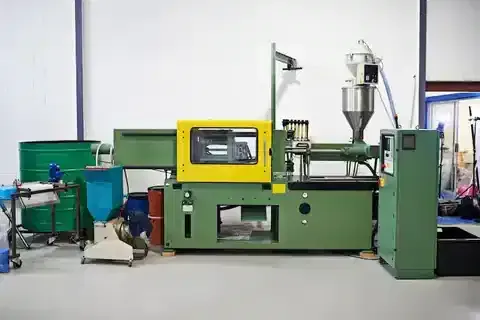
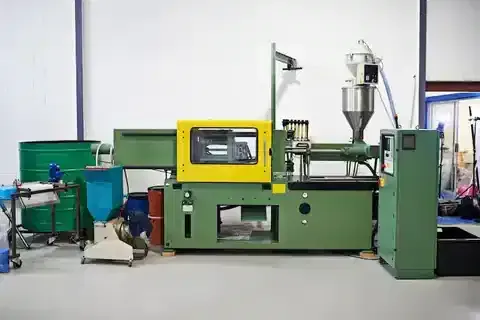
The core components of a standard plastic extrusion machine include:
-
Hopper for feeding raw material
-
Heated barrel
-
Rotating screw mechanism
-
Die head
-
Cooling system
-
Puller and cutting unit
In metal extrusion systems, hydraulic pressure replaces rotating screws, especially in aluminum extrusion press applications used in construction and aerospace engineering.
Extrusion exists because industries require:
-
Continuous high-volume production
-
Uniform cross-sectional shapes
-
Material efficiency
-
Reduced manufacturing waste
-
Automation compatibility
Without extrusion systems, large-scale production of pipes, insulation cables, window frames, and packaging films would be significantly slower and less precise.
Why Extrusion Machines Matter Today
Extrusion technology plays a central role in several high-value sectors:
-
Construction materials manufacturing
-
Electric vehicle component production
-
Renewable energy infrastructure
-
Medical device manufacturing
-
Food processing equipment
The rise of electric vehicles has increased demand for lightweight aluminum components and polymer insulation systems. Solar panel mounting systems and wind turbine components also rely on precision extrusion profiles.
Industries benefit from extrusion machines because they:
-
Support automated manufacturing lines
-
Improve material consistency
-
Reduce production waste
-
Enable advanced composite materials
-
Increase output efficiency
A simplified comparison of extrusion applications is shown below:
| Industry | Common Extruded Product | Key Benefit |
|---|---|---|
| Construction | PVC pipes, window profiles | Durability and uniformity |
| Automotive | Wire insulation, trim parts | Lightweight efficiency |
| Packaging | Plastic films and sheets | High-speed continuous output |
| Renewable Energy | Mounting rails, cable covers | Structural precision |
| Medical | Tubing and catheter components | Controlled material quality |
In developing industrial regions, extrusion equipment supports infrastructure growth. In advanced economies, it enables precision manufacturing and material innovation.
Recent Updates and Industry Trends (2025–2026)
Over the past year, extrusion technology has seen significant technical advancements.
In 2025, multiple global manufacturers introduced AI-enabled extrusion monitoring systems. These systems use predictive maintenance algorithms and industrial IoT sensors to monitor temperature, pressure, and torque in real time. This reduces downtime and improves quality consistency.
Another major trend in 2025 is sustainable polymer processing. Recycled plastic extrusion lines have improved filtration and melt purification systems to accommodate post-consumer materials. Many manufacturers are integrating closed-loop recycling systems within production facilities.
Energy-efficient barrel heating systems introduced in late 2024 have continued expanding through 2025. These systems reduce power consumption while maintaining consistent melt temperatures.
Additionally, smart manufacturing integration has expanded:
-
Digital twin simulations
-
Real-time production dashboards
-
Advanced PLC-based control systems
-
Remote diagnostics through secure cloud platforms
In aluminum extrusion, hybrid hydraulic-electric presses have gained adoption due to improved energy management.
A simplified trend comparison is shown below:
| Trend (2025–2026) | Impact on Industry |
|---|---|
| AI process monitoring | Reduced downtime, improved precision |
| Recycled material extrusion | Environmental compliance improvements |
| Energy-efficient heating | Lower operational energy consumption |
| Digital twin modeling | Better design validation and planning |
These changes reflect broader industrial automation and sustainability priorities.
Laws, Regulations, and Government Policies
Extrusion machines operate within regulatory frameworks related to environmental safety, worker protection, and energy efficiency.
Environmental regulations in many countries require compliance with:
-
Emission standards for volatile organic compounds
-
Waste management rules
-
Recycling mandates
-
Energy efficiency requirements
In India, industrial manufacturing units must comply with guidelines from the Central Pollution Control Board (CPCB). These regulations influence polymer processing operations and emissions control systems.
In the European Union, extrusion equipment manufacturers align with CE certification requirements and machinery safety directives. Energy consumption standards and sustainability targets influence equipment design.
In the United States, occupational safety regulations governed by OSHA affect machine guarding, ventilation, and worker safety procedures.
Additionally, global sustainability initiatives are encouraging:
-
Reduced carbon footprint manufacturing
-
Increased recycled polymer usage
-
Electrification of hydraulic systems
Compliance with these policies affects how extrusion machines are designed, installed, and maintained.
Tools and Resources Related to Extrusion Technology
Professionals and students in polymer engineering and manufacturing technology often rely on digital tools and platforms.
Commonly used resources include:
-
Computer-Aided Design (CAD) software for die design
-
Simulation software for flow analysis
-
PLC programming environments for industrial automation
-
Material property databases
-
Energy efficiency calculators
-
Production planning templates
Popular industrial tools include:
-
Autodesk Inventor for mechanical design
-
SolidWorks for die modeling
-
ANSYS Polyflow for polymer flow simulation
-
Siemens TIA Portal for automation control
-
Material testing equipment for tensile and thermal analysis
Online resources include:
-
Industry research publications
-
Manufacturing technology conferences
-
Government industrial compliance portals
-
Technical certification programs
These tools support precision engineering, safety compliance, and manufacturing optimization.
Frequently Asked Questions
What materials can be processed using an extrusion machine?
Extrusion machines process thermoplastics, thermoset polymers, rubber compounds, aluminum, copper, food ingredients, and advanced composite materials. The specific machine configuration depends on the material type.
How does a twin screw extruder differ from a single screw extruder?
A twin screw extruder uses two intermeshing screws, providing better mixing, material compounding, and temperature control. Single screw extruders are typically used for simpler, high-volume applications like pipe or sheet production.
Is extrusion suitable for recycled plastics?
Yes, modern extrusion lines incorporate filtration and melt purification systems that allow processing of recycled polymers, supporting circular economy goals.
What industries rely most on extrusion technology?
Construction, automotive, packaging, renewable energy, electronics, and medical manufacturing heavily depend on extrusion systems for continuous profile production.
How does automation improve extrusion performance?
Automation improves temperature control, reduces material waste, enhances quality consistency, and enables predictive maintenance using industrial IoT monitoring systems.
Conclusion
Extrusion machines are foundational to modern industrial manufacturing. They enable continuous production of uniform materials used in construction, automotive systems, renewable energy infrastructure, and advanced medical applications.
Recent developments in AI-enabled monitoring, energy-efficient heating, recycled polymer processing, and digital twin simulation have strengthened the role of extrusion technology in sustainable manufacturing. At the same time, environmental regulations and safety standards shape equipment design and operational practices worldwide.
As industries prioritize automation, sustainability, and precision engineering, extrusion machines remain essential components of advanced manufacturing ecosystems. Their continued evolution reflects broader trends in industrial automation, material science, and environmental responsibility.
This educational overview highlights how extrusion technology functions, why it matters, and how regulatory and technological developments influence its future direction.