Yellow Diamond Ring Guide: Natural Fancy Color Diamonds, Certification, and Trends
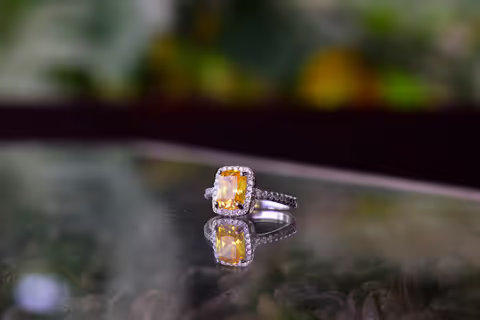
Yellow diamond rings are a notable category within the global luxury jewelry industry. These gemstones are part of the broader group of fancy colored diamonds, which are valued for their distinctive hue rather than the traditional colorless appearance. Their unique coloration and rarity have made them a subject of interest in gemstone science, jewelry design, and investment markets.
Understanding yellow diamond rings involves examining several aspects, including geological formation, diamond grading standards, technological developments in gemstone analysis, and regulatory frameworks in the jewelry industry.
Geological Formation and Color Science
Yellow diamonds form deep within the Earth's mantle under extreme pressure and temperature conditions. Their color typically results from nitrogen atoms integrated into the diamond’s crystal structure during formation. This atomic arrangement absorbs blue light and reflects yellow tones.
The intensity of color can vary widely, ranging from faint yellow to vivid and intense shades. These variations influence how gemstones are classified in professional grading systems.
Modern Jewelry Design Applications
Jewelry designers often incorporate yellow diamonds into rings using several settings:
-
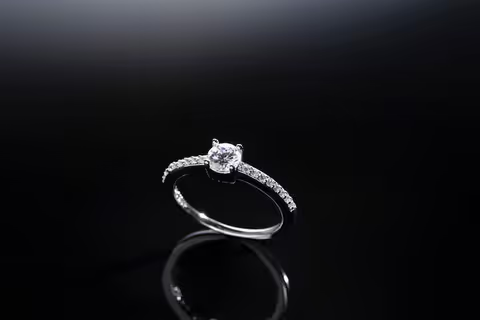
Solitaire settings highlighting a single colored diamond
-
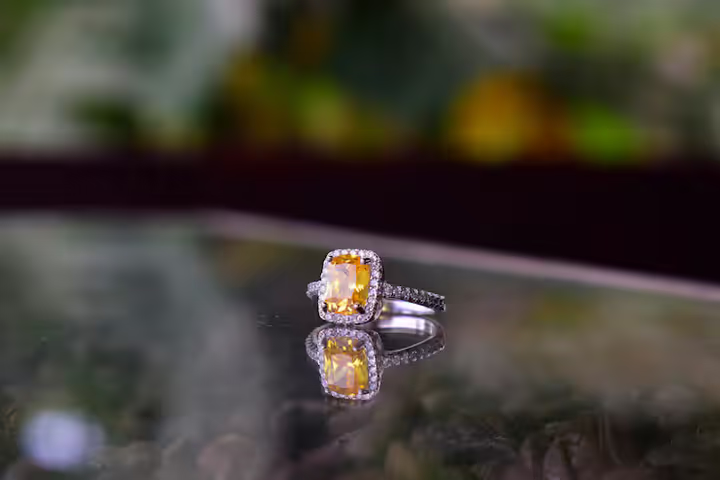
Halo settings where white diamonds surround the yellow center stone
-
Three-stone settings representing balance and design symmetry
-
Vintage-inspired designs featuring intricate metalwork
Metals such as platinum, white gold, yellow gold, and rose gold are commonly used to enhance the diamond’s color appearance.
Why Yellow Diamond Rings Matter Today
Yellow diamond rings have become increasingly relevant due to their role in several modern sectors including luxury retail, gemstone investment, and jewelry technology.
Growing Interest in Fancy Colored Diamond
Global demand for colored diamonds has increased as consumers explore alternatives to traditional white diamonds. Fancy yellow diamonds are among the most widely available colored diamonds while still maintaining rarity compared with standard colorless stones.
Factors contributing to their growing attention include:
-
Increased awareness of gemstone diversity
-
Expansion of global luxury jewelry markets
-
Digital gemstone certification technologies
-
Rising interest in alternative gemstone investments
Applications in Jewelry and Asset Diversification
Yellow diamonds are sometimes included in discussions about alternative luxury assets. In addition to their aesthetic role in jewelry, certified diamonds may also be tracked in certain gemstone investment indexes.
Industries connected with this trend include:
-
Luxury jewelry manufacturing
-
Precious gemstone trading platforms
-
Asset diversification research
-
Blockchain gemstone authentication systems
Recent Developments in the Yellow Diamond Market
Several developments in the gemstone and jewelry sectors have influenced how yellow diamonds are studied and valued.
Advances in Gemstone Certification Technology
In 2025, new spectroscopy and artificial intelligence tools began assisting gemological laboratories in identifying natural versus laboratory-grown diamonds. These tools help detect trace elements and crystal growth patterns.
Technologies used in modern grading include:
-
Infrared spectroscopy
-
Photoluminescence analysis
-
DiamondView imaging systems
-
AI-based gemstone classification
These advancements support more accurate grading and transparency in gemstone documentation.
Market Trends in Colored Diamonds
According to gemstone industry reports released during 2025–2026, fancy colored diamonds have shown steady demand in luxury jewelry markets across North America, Europe, and Asia.
Key trends include:
-
Increased visibility in high-profile jewelry auctions
-
Growth of blockchain-based gemstone traceability systems
-
Expansion of laboratory research in colored diamond formation
Sustainable Jewelry Practices
Many jewelry companies began expanding traceability programs in 2026 to track gemstone origin and environmental compliance throughout the supply chain. These programs align with broader sustainability initiatives in the luxury goods sector.
Diamond Grading Standards and Certification
Yellow diamonds are evaluated using professional grading frameworks. The most widely recognized grading system is based on standards developed by international gemological institutions.
Important grading characteristics include:
| Grading Factor | Description |
|---|---|
| Color Intensity | Determines shade levels such as Fancy Light, Fancy, Fancy Intense, or Fancy Vivid |
| Cut Quality | Refers to the diamond’s proportions and light reflection |
| Clarity | Measures internal inclusions or external blemishes |
| Carat Weight | Indicates the diamond’s weight and size |
Unlike colorless diamonds, fancy colored diamonds are graded primarily on color intensity and distribution rather than absence of color.
Example Color Intensity Classification
| Color Grade | Description |
|---|---|
| Fancy Light Yellow | Subtle yellow hue |
| Fancy Yellow | Clearly visible yellow color |
| Fancy Intense Yellow | Strong and saturated color |
| Fancy Vivid Yellow | Bright and highly saturated yellow |
Laws and Regulations Affecting the Diamond Industry
The diamond industry is influenced by international agreements and national regulations that aim to promote transparency and prevent conflict-related trade.
Kimberley Process Certification Scheme
The Kimberley Process, implemented globally in 2003, regulates the international trade of rough diamonds. Participating countries certify that exported diamonds are conflict-free.
Key objectives include:
-
Preventing trade of conflict diamonds
-
Monitoring rough diamond exports and imports
-
Enhancing supply chain transparency
major diamond processing hub, participates in this framework through national export regulations.
Consumer Transparency Guidelines
Several countries also require jewelry retailers to clearly disclose:
-
Whether diamonds are natural or laboratory-grown
-
Any treatments applied to gemstones
-
Certification details from recognized gemological laboratories
These policies help maintain consumer trust and industry credibility.
Tools and Resources for Understanding Yellow Diamonds
Researchers, jewelers, and enthusiasts often use specialized tools and platforms to analyze gemstone quality and market trends.
Helpful resources include:
Gemstone Certification Platforms
-
Gemological laboratory databases for diamond reports
-
Online certificate verification tools
Gemstone Education Websites
-
Academic resources related to mineralogy and gemology
-
Jewelry industry research publications
Diamond Analysis Tools
-
Color grading reference charts
-
Diamond cut analysis software
-
Spectroscopy testing equipment
Digital Traceability Systems
-
Blockchain gemstone origin tracking platforms
-
Supply chain transparency databases
These tools help improve understanding of diamond quality, origin verification, and industry standards.
Market Overview of Fancy Yellow Diamonds
| Market Segment | Role in Industry |
|---|---|
| Jewelry Manufacturing | Use of colored diamonds in rings, necklaces, and earrings |
| Luxury Auctions | Rare yellow diamonds featured in international auctions |
| Gemstone Investment Research | Monitoring colored diamond price indexes |
| Gemological Laboratories | Certification and grading of diamonds |
The growing availability of gemstone data platforms has increased transparency in the diamond market.
Frequently Asked Questions
What causes the yellow color in diamonds?
The yellow color in diamonds is primarily caused by nitrogen atoms within the diamond crystal structure. These atoms absorb blue light, allowing yellow tones to become visible.
Are yellow diamonds considered natural gemstones?
Yes, many yellow diamonds occur naturally within the Earth's mantle. However, laboratory-grown diamonds with yellow coloration also exist and must be disclosed through certification.
How are yellow diamonds graded differently from white diamonds?
White diamonds are graded based on the absence of color, while yellow diamonds are graded according to color intensity and saturation.
What determines the rarity of a yellow diamond?
Rarity depends on factors such as color intensity, carat weight, clarity, and cut quality. Highly saturated shades such as Fancy Vivid Yellow are generally less common.
Do yellow diamonds occur in different shades?
Yes. Yellow diamonds can range from pale yellow to deep golden tones depending on the concentration of nitrogen impurities in the crystal structure.
Conclusion
Yellow diamond rings represent a unique intersection of geology, luxury jewelry design, and gemstone science. Their distinctive color results from natural processes that occur deep within the Earth, and their classification relies on specialized grading systems used by gemological laboratories.
Recent technological developments in diamond testing, certification, and traceability have improved transparency across the global gemstone market. At the same time, regulations such as the Kimberley Process and national hallmarking standards aim to maintain ethical sourcing and consumer confidence.
As interest in fancy colored diamonds continues to grow, yellow diamonds remain an important topic within the fields of gemology, jewelry manufacturing, and luxury asset research. Understanding their formation, grading standards, and regulatory environment provides valuable insight into one of the most distinctive categories of diamonds.