Gemstone Pendants Overview: Meaning, Materials, and Modern Relevance
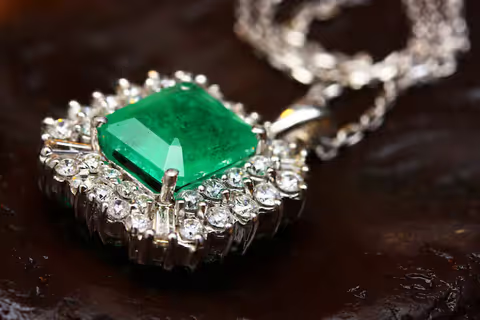
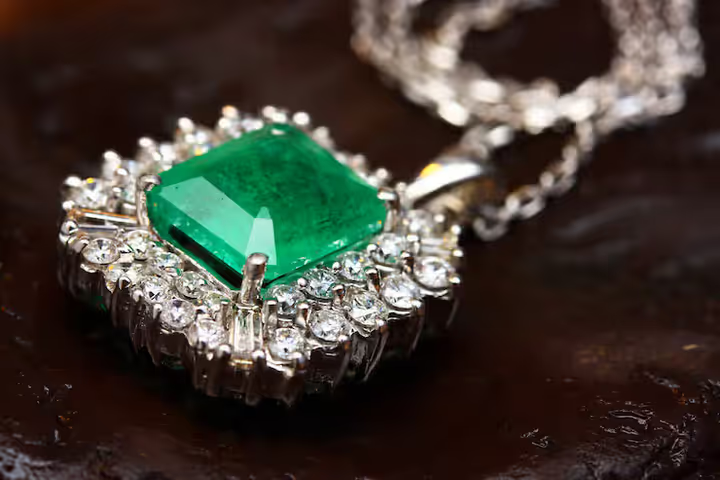
Gemstone pendants are jewelry pieces designed to suspend a gemstone from a chain, cord, or metal mount. Across cultures, they have existed for centuries as objects of adornment, identity, and meaning. Ancient civilizations used gemstone pendants to signify status, belief systems, and personal milestones. Today, they remain relevant for their aesthetic appeal and for the way they combine mineral science, craftsmanship, and design.
Historically, gemstone pendants were crafted from precious stones such as diamonds, emeralds, sapphires, and rubies. Over time, semi-precious stones like amethyst, citrine, turquoise, and garnet gained popularity due to their color variety and accessibility.
The purpose of gemstone pendants goes beyond decoration. They often represent:
-
Birthstones linked to specific months
-
Cultural or religious symbolism
-
Personal milestones or achievements
-
Spiritual beliefs and energy traditions
In modern jewellery design, gemstone pendants combine craftsmanship, gemstone grading standards, and contemporary aesthetics.
Why Gemstone Pendants Matter Today
Gemstone pendants remain highly relevant in today’s jewellery industry due to evolving fashion trends, ethical sourcing awareness, and certification standards.
They matter because:
-
Consumers increasingly seek certified gemstones with authenticity documentation.
-
Awareness about ethical mining and sustainable jewellery production has grown.
-
Personalization trends encourage custom gemstone selections based on zodiac signs, birthstones, or healing traditions.
-
High-value gemstones are often associated with long-term asset preservation and luxury fashion segments.
Gemstone pendants affect:
-
Jewellery designers and manufacturers
-
Gemologists and certification laboratories
-
Retail brands and e-commerce platforms
-
Consumers interested in fine jewellery investment
They help address issues such as:
-
Identification of genuine vs synthetic stones
-
Understanding gemstone grading clarity and color standards
-
Recognizing hallmarks for metal purity (gold, platinum, silver)
With digital marketplaces expanding in 2025, gemstone authenticity and transparent information have become more important than ever.
Recent Updates and Trends in 2025
The gemstone jewellery sector has seen several notable developments in the past year.
In January 2025, global luxury reports highlighted increased demand for lab-grown diamonds and traceable colored gemstones. Lab-created stones are gaining acceptance due to environmental considerations and improved certification transparency.
In March 2025, several jewellery associations introduced updated gemstone grading protocols focusing on:
-
Digital certification records
-
Blockchain-based origin tracking
-
Enhanced clarity grading imaging
Another emerging trend in mid-2025 includes minimalist pendant designs using single-stone settings in 14K and 18K gold. Consumers are also showing preference for vintage-inspired cuts such as cushion and oval shapes.
Below is a simplified comparison of gemstone categories commonly used in pendants:
| Category | Examples | Key Characteristics | Popular Use Case |
|---|---|---|---|
| Precious Stones | Diamond, Ruby, Sapphire | High durability, rare | Luxury pendants |
| Semi-Precious | Amethyst, Topaz, Garnet | Wide color range | Everyday jewellery |
| Organic Gems | Pearl, Amber | Formed naturally from organisms | Classic and heritage styles |
| Lab-Created | Lab Diamond, Moissanite | Controlled production process | Modern ethical designs |
Digital transformation has also influenced gemstone marketing, with AI-based gemstone identification tools becoming more common in 2025.
Laws and Regulations Affecting Gemstone Pendants
Gemstone pendants are subject to national and international regulations concerning metal purity, gemstone disclosure, and consumer protection.
In countries such as India, gold pendants must comply with hallmarking standards regulated by the Bureau of Indian Standards (BIS). Since June 2021, hallmarking has become mandatory for many gold jewellery categories, and updates in 2024 expanded coverage to additional districts.
Key regulatory aspects include:
-
Mandatory hallmark stamps for gold purity
-
Disclosure of synthetic or treated gemstones
-
Certification from recognized gemological laboratories
-
Import-export regulations under customs laws
In the United States, the Federal Trade Commission (FTC) Jewellery Guides regulate gemstone marketing claims, including clear disclosure of lab-grown stones.
In the European Union, hallmarking and metal purity standards vary by member state but must comply with consumer transparency laws.
These regulations ensure:
-
Authentic representation of gemstones
-
Prevention of misleading terminology
-
Protection against mislabeling
Compliance with such policies supports transparency in the gemstone and fine jewellery market.
Tools and Resources for Understanding Gemstone Pendants
Several tools and digital platforms help individuals understand gemstone pendants more accurately.
Useful resources include:
-
Gemstone grading charts for clarity and color comparison
-
Online carat weight calculators
-
Hallmark verification portals provided by national standards bodies
-
Gemological laboratory websites offering digital certificate verification
-
Jewellery appraisal templates for documentation
Digital tools in 2025 increasingly use image recognition technology to identify gemstones based on cut, refractive index, and color patterns.
Below is a simplified clarity grading reference:
| Clarity Grade | Description |
|---|---|
| FL | Flawless, no visible inclusions |
| VVS1–VVS2 | Very very slight inclusions |
| VS1–VS2 | Very slight inclusions |
| SI1–SI2 | Slight inclusions visible under magnification |
| I1–I3 | Noticeable inclusions |
These tools help individuals interpret certification documents and gemstone characteristics more confidently.
Frequently Asked Questions
What is the difference between natural and lab-created gemstones?
Natural gemstones form over millions of years through geological processes, while lab-created stones are produced in controlled environments. Both can have similar chemical compositions, but origin disclosure is important.
How can gemstone pendants be authenticated?
Authentication typically involves certification from recognized gemological laboratories, hallmark verification for metal purity, and professional appraisal.
Are treated gemstones common in pendants?
Yes, many gemstones undergo treatments such as heat enhancement to improve color or clarity. These treatments should be disclosed according to regulatory guidelines.
What determines the value of a gemstone pendant?
Factors include gemstone quality (color, clarity, cut, carat), metal purity, craftsmanship, brand recognition, and certification documentation.
Do gemstone pendants require special care?
Care depends on the gemstone type. Softer stones like opal require more cautious handling, while diamonds are highly durable. Regular cleaning with appropriate methods is recommended.
Conclusion
Gemstone pendants combine artistry, geology, and cultural symbolism. They exist as decorative ornaments and meaningful accessories that reflect identity, tradition, and personal style.
In 2025, transparency, digital certification, and sustainable sourcing practices are shaping the gemstone jewellery industry. Regulatory frameworks such as hallmarking and gemstone disclosure standards ensure consumer protection and authenticity.
Understanding gemstone grading, certification documents, and market trends helps individuals make informed decisions. With evolving technology and growing awareness about ethical sourcing, gemstone pendants continue to hold relevance in both traditional and modern jewellery contexts.
Their enduring appeal lies in their ability to merge beauty with measurable quality standards, making them a significant part of the global fine jewellery industry.