Skin Rejuvenation Knowledge: Key Dermatology Techniques for Skin Renewal
Skin rejuvenation refers to dermatology methods designed to improve skin texture, elasticity, and overall appearance by stimulating natural renewal processes. Human skin constantly regenerates through cellular turnover, yet aging, environmental exposure, and lifestyle factors can slow this process. As collagen production decreases over time, skin may appear less firm and uneven.
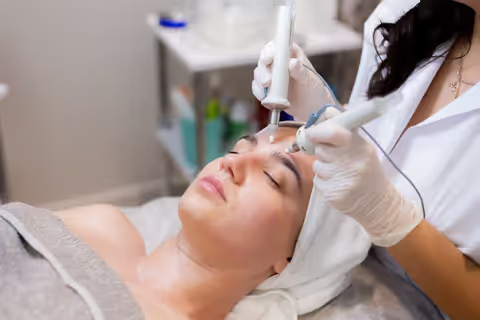
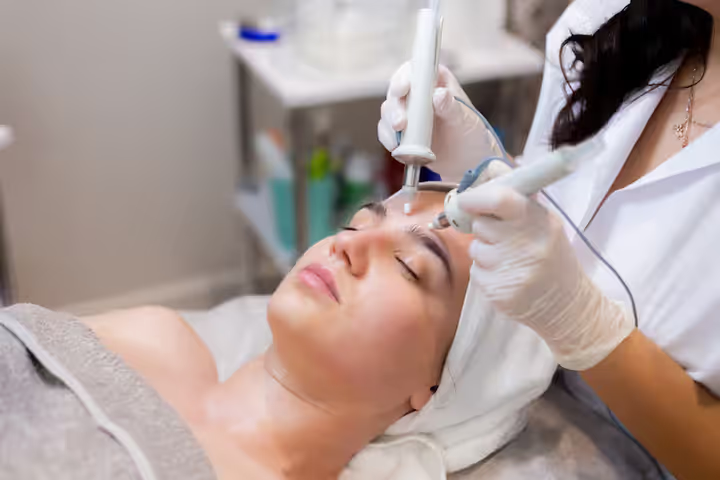
Modern dermatology research focuses on techniques that encourage natural regeneration. These approaches include laser skin resurfacing, collagen induction therapy, radiofrequency skin tightening, and medical-grade dermatology treatments that promote healthy skin renewal.
Skin rejuvenation exists because skin aging is influenced by multiple biological factors:
-
Gradual collagen reduction after the mid-twenties
-
Ultraviolet radiation exposure
-
Oxidative stress caused by pollution
-
Changes in skin hydration and elasticity
-
Genetic influences affecting skin structure
Cosmetic dermatology and clinical dermatology both examine how technology and biological science can support the skin’s natural repair mechanisms. The goal is not simply aesthetic improvement but also maintaining skin health and resilience.
Why Skin Rejuvenation Matters Today
Interest in skin rejuvenation has increased significantly in recent years due to growing awareness of skin health and dermatology technology. People are increasingly learning about preventive skincare and the long-term effects of environmental damage.
Skin aging affects a wide range of individuals. Factors such as climate exposure, digital device usage, and lifestyle patterns have become part of modern dermatology discussions.
Skin rejuvenation techniques address several common concerns:
-
Uneven skin texture
-
Hyperpigmentation and sun spots
-
Fine lines and wrinkles
-
Loss of elasticity
-
Dull or dehydrated skin appearance
From a health perspective, dermatology specialists also emphasize early prevention. Maintaining collagen levels, protecting skin from UV exposure, and supporting cellular repair processes can contribute to healthier skin throughout life.
Several medical research areas contribute to advancements in skin rejuvenation:
-
Cosmetic dermatology
-
Laser dermatology technology
-
Regenerative dermatology
-
Biotechnology in skincare
-
Collagen stimulation science
These fields combine dermatology knowledge with biomedical engineering to explore innovative approaches that support skin regeneration.
Dermatology Trends and Updates in the Past Year
Dermatology technology continues to evolve rapidly. During 2025 and 2026, several developments influenced skin rejuvenation practices and research.
One notable trend is the increasing use of non-invasive dermatology technology. These approaches stimulate collagen without extensive recovery periods. Energy-based devices such as radiofrequency and ultrasound technologies have gained attention for their ability to support skin tightening and cellular regeneration.
Another emerging trend involves AI-assisted dermatology imaging systems. In 2026, several dermatology research programs began exploring artificial intelligence to analyze skin texture, pigmentation patterns, and aging markers. These systems help dermatology professionals better understand skin conditions and personalize treatment strategies.
Biotechnology also contributed to progress in regenerative skincare. Research published in dermatology journals during early 2026 highlighted new peptide-based compounds designed to stimulate collagen synthesis and improve skin barrier strength.
Digital dermatology platforms have expanded educational access as well. Online dermatology knowledge portals and clinical research databases provide updated information about skin aging mechanisms, treatment safety, and emerging technologies.
These developments reflect a broader shift toward science-based skincare and dermatology innovation.
Policies, Regulations, and Dermatology Standards
Skin rejuvenation technologies operate within regulatory frameworks established by health authorities in many countries. Regulations help ensure dermatology devices and cosmetic dermatology procedures meet safety and clinical standards.
Several regulatory areas influence dermatology technologies:
-
Medical device certification for dermatology equipment
-
Clinical testing standards for skin treatment technologies
-
Safety guidelines for laser dermatology systems
-
Ingredient regulations for dermatology formulations
In India, dermatology equipment used in clinical environments must follow standards issued by the Central Drugs Standard Control Organization (CDSCO). Medical devices that affect skin tissue are evaluated for safety, performance, and quality before entering clinical use.
Internationally, dermatology technology also follows frameworks established by regulatory organizations such as:
-
The U.S. Food and Drug Administration (FDA) for medical devices
-
The European Medicines Agency (EMA) for dermatological products
-
International safety standards for laser medical equipment
Regulations help protect individuals by ensuring dermatology technologies are tested for reliability, safety, and clinical effectiveness. They also guide healthcare professionals in using technology responsibly.
Tools and Platforms That Support Skin Rejuvenation Research
Dermatology professionals and researchers rely on several digital tools and scientific resources to study skin aging and rejuvenation technologies.
Useful dermatology research and analysis tools include:
• Dermatology imaging systems – digital scanners that analyze skin texture and pigmentation
• AI skin analysis platforms – software used to detect early signs of aging or damage
• Clinical dermatology databases – online libraries containing dermatology research papers
• Collagen analysis tools – laboratory instruments used in regenerative dermatology research
• Skin hydration measurement devices – used in dermatology testing environments
These technologies help dermatology researchers measure skin health indicators such as elasticity, hydration levels, and pigmentation patterns. Digital platforms also enable collaboration between dermatology scientists worldwide.
Educational resources that support dermatology knowledge include:
• Medical journals focused on cosmetic dermatology
• Clinical dermatology research portals
• Dermatology conferences and academic publications
• Biomedical engineering platforms studying skin regeneration
These resources contribute to continuous advancements in skin rejuvenation science.
Dermatology Techniques Used in Skin Rejuvenation
The field of cosmetic dermatology includes several techniques designed to encourage skin regeneration. Each method works by stimulating natural biological processes.
| Skin Rejuvenation Technique | Technology Used | Primary Dermatology Focus |
|---|---|---|
| Laser Skin Resurfacing | Laser dermatology systems | Improves texture and pigmentation |
| Collagen Induction Therapy | Micro-stimulation technology | Encourages collagen regeneration |
| Radiofrequency Skin Tightening | Energy-based dermatology devices | Enhances elasticity and firmness |
| Chemical Exfoliation Methods | Dermatology formulations | Promotes cellular turnover |
| Ultrasound Skin Therapy | Acoustic dermatology technology | Stimulates deep tissue renewal |
These dermatology technologies vary in how deeply they interact with skin tissue and how they stimulate regenerative processes.
Researchers continue exploring combinations of these approaches to better understand skin repair mechanisms.
Common Questions About Skin Rejuvenation
What does skin rejuvenation mean in dermatology?
Skin rejuvenation refers to dermatology techniques designed to improve skin texture, tone, and elasticity by stimulating natural skin repair and collagen production.
How does collagen affect skin aging?
Collagen is a structural protein that maintains skin firmness and elasticity. As collagen production declines with age, the skin may develop fine lines, reduced elasticity, and uneven texture.
What role does laser technology play in skin rejuvenation?
Laser dermatology technology targets specific layers of skin tissue. This controlled stimulation encourages cellular renewal and collagen regeneration.
Are non-invasive dermatology technologies becoming more common?
Yes. Recent dermatology trends emphasize non-invasive technologies that support skin renewal with minimal disruption to the skin’s surface.
Can lifestyle factors influence skin rejuvenation results?
Lifestyle factors such as sun protection, hydration, balanced nutrition, and sleep quality influence skin health and the body’s natural regenerative processes.
Conclusion
Skin rejuvenation represents a significant area of modern dermatology research. Advances in biotechnology, laser dermatology systems, and regenerative science continue to expand understanding of how skin repairs itself.
The field now combines dermatology, biomedical engineering, and digital technology to explore safer and more precise approaches to skin renewal. Emerging trends such as AI skin analysis, peptide-based skincare research, and energy-based dermatology devices illustrate how science is shaping the future of skin health.
As dermatology knowledge continues to evolve, skin rejuvenation will likely remain an important topic in both medical research and public awareness. Understanding how skin functions, how it ages, and how regeneration occurs provides valuable insight into maintaining healthy skin over time.
Disclaimer: The information provided in this article is for informational purposes only. We do not make any claims or guarantees regarding the accuracy, reliability, or completeness of the information presented. The content is not intended as professional advice and should not be relied upon as such. Readers are encouraged to conduct their own research and consult with appropriate professionals before making any decisions based on the information provided in this article.