Textile Machine Explanation: Technology Behind Modern Textile Systems
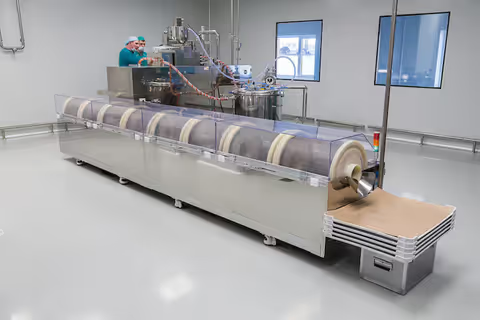
Textile machines are specialized equipment used in the production of fabrics, yarns, and garments. These machines play a key role in transforming raw materials such as cotton, wool, silk, and synthetic fibers into finished textile products. The development of textile machines dates back to the Industrial Revolution, when manual weaving and spinning processes were replaced with mechanical systems to improve efficiency and output.
The primary purpose of textile machines is to automate repetitive processes like spinning, weaving, knitting, dyeing, and finishing. This automation helps reduce manual labor, increase production speed, and ensure consistent quality across textile products. Today, textile machinery is an essential part of global manufacturing, supporting industries ranging from fashion and home furnishings to technical textiles used in healthcare and construction.
Importance of Textile Machines in Modern Industry
Textile machines are fundamental to the global economy, especially in countries with strong manufacturing sectors such as India, China, and Bangladesh. These machines enable large-scale production of fabrics that meet the growing demand for clothing, industrial materials, and sustainable textiles.
Key reasons why textile machines are important today include:
-
Efficiency and Productivity
Modern machines can produce large volumes of fabric in less time compared to manual methods. -
Consistency and Quality Control
Automated systems ensure uniform texture, strength, and appearance in textile products. -
Cost Optimization
While initial investment may be high, automated machinery reduces long-term operational costs. -
Support for Innovation
Advanced machines allow the creation of smart textiles, technical fabrics, and eco-friendly materials. -
Employment and Economic Impact
The textile machinery sector supports millions of jobs in manufacturing, maintenance, and supply chains.
Problems Textile Machines Help Solve
- Reducing human error in production
- Increasing scalability for global demand
- Improving fabric durability and performance
- Supporting sustainable production practices
Recent Updates and Trends in Textile Machinery
Latest Developments in 2025–2026
The textile machinery industry has seen rapid technological advancements in recent years. These updates are shaping how textiles are produced and consumed globally.
-
Automation and Industry 4.0 (2025)
Many textile manufacturers are adopting smart machines equipped with sensors, IoT connectivity, and AI-based monitoring systems. These technologies help track performance, predict maintenance needs, and optimize production. -
Sustainable Textile Production (2025–2026)
There is a growing focus on machines that reduce water usage, energy consumption, and chemical waste. Eco-friendly dyeing and finishing machines are gaining popularity. -
Digital Textile Printing Growth (2026)
Digital printing machines are becoming more advanced, allowing high-speed customization with minimal waste. This trend supports on-demand manufacturing. -
Robotics Integration (2026)
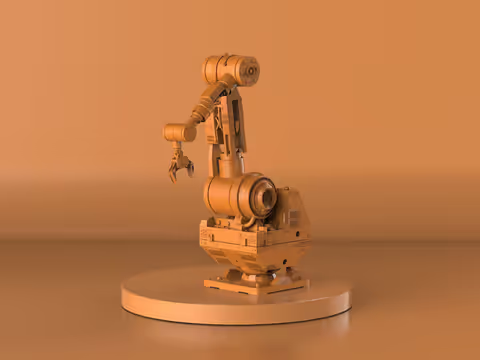
Robotics is increasingly used in fabric handling, packaging, and quality inspection, improving efficiency and reducing manual intervention. -
Recycling and Circular Economy Machines (2025)
New machinery is being developed to recycle textile waste into reusable fibers, supporting circular production models.
Laws and Policies Affecting Textile Machinery
Regulations and Government Influence
Textile machinery and production processes are influenced by various laws and policies, particularly in countries like India.
-
Environmental Regulations
Governments enforce rules on water usage, chemical discharge, and air pollution. Textile machines must comply with environmental standards to reduce industrial impact. -
Make in India Initiative
This program encourages domestic manufacturing of textile machinery, reducing dependency on imports and promoting local innovation. -
Textile Policy Updates (2025)
Recent updates focus on sustainability, technology adoption, and infrastructure development in textile clusters. -
Energy Efficiency Standards
Machines are required to meet energy-saving guidelines to reduce carbon emissions. -
Worker Safety Regulations
Laws ensure that textile machinery includes safety features to protect operators from accidents.
Tools and Resources for Textile Machinery
Helpful Tools and Platforms
Several tools and resources support the understanding, operation, and maintenance of textile machines.
-
CAD Software for Textile Design
Used for designing patterns and fabric structures digitally. -
Machine Monitoring Systems
IoT-based platforms that track machine performance and efficiency. -
Textile Calculators
Tools for calculating yarn count, fabric GSM, and production output. -
Online Learning Platforms
Educational websites offering courses on textile engineering and machinery. -
Maintenance Management Software
Helps schedule servicing and reduce downtime. -
Industry Reports and Journals
Provide insights into market trends and technological advancements.
Types of Textile Machines and Their Functions
Key Textile Machines in Manufacturing
| Machine Type | Function Description | Common Use Case |
|---|---|---|
| Spinning Machine | Converts fibers into yarn | Yarn production |
| Weaving Machine | Interlaces yarns to create fabric | Fabric manufacturing |
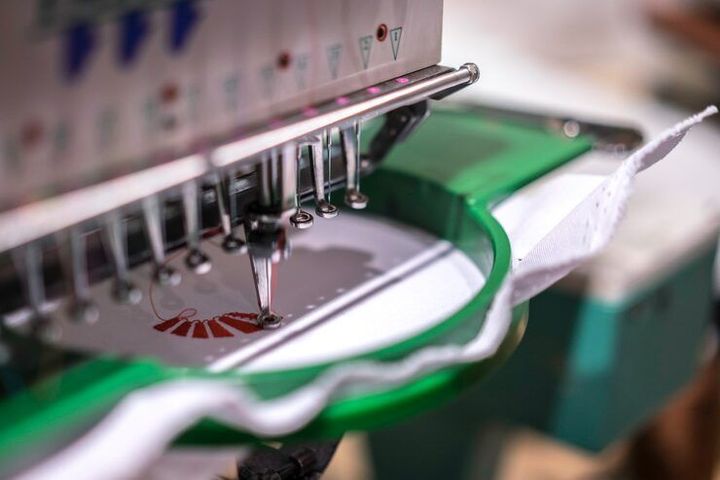
| Knitting Machine | Produces fabric using loops of yarn | Apparel and hosiery |
| Dyeing Machine | Adds color to fabric or yarn | Textile finishing |
| Printing Machine | Applies patterns and designs on fabric | Fashion and home textiles |
| Finishing Machine | Enhances fabric properties like softness or durability | Final product preparation |
FAQs About Textile Machines
What are textile machines used for?
Textile machines are used to convert raw fibers into finished fabrics and garments through processes like spinning, weaving, knitting, dyeing, and finishing.
How do textile machines improve production?
They automate repetitive tasks, increase speed, reduce errors, and ensure consistent quality, making large-scale production possible.
What is the difference between weaving and knitting machines?
Weaving machines interlace two sets of yarns at right angles, while knitting machines create fabric by forming loops of yarn.
Are textile machines environmentally friendly?
Modern machines are designed to reduce water usage, energy consumption, and waste, making them more sustainable than older systems.
What skills are required to operate textile machines?
Basic technical knowledge, machine handling skills, and understanding of textile processes are important for operating these machines.
Conclusion
Textile machines are a vital part of modern manufacturing, enabling efficient and scalable production of fabrics used in everyday life. From traditional spinning and weaving systems to advanced automated and digital machines, the textile industry continues to evolve with technology. Recent trends such as sustainability, automation, and digitalization are shaping the future of textile machinery, making it more efficient and environmentally responsible.
Understanding textile machines helps individuals and industries appreciate the complexity behind fabric production and the role of innovation in meeting global demands. As policies and technologies continue to advance, textile machinery will remain a key driver of industrial growth and development.