Screw in Teeth Overview: Modern Dental Implant Explanation and Care Tips
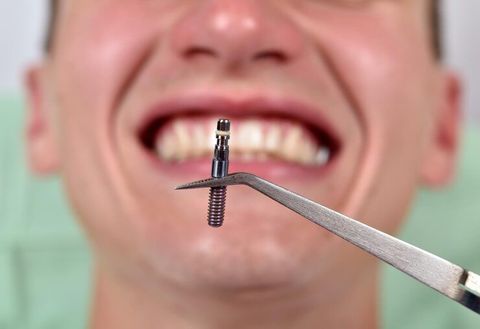
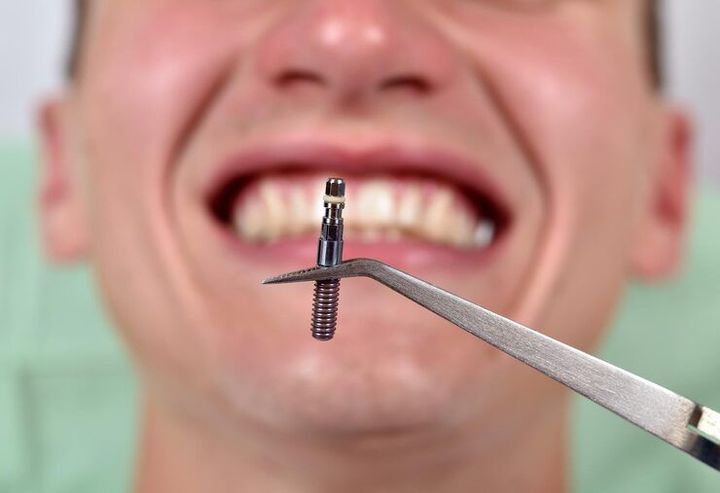
Screw in teeth, commonly known as dental implants, are artificial tooth roots made of biocompatible materials such as titanium. These implants are surgically placed into the jawbone to support replacement teeth like crowns, bridges, or dentures.
They exist to address the challenges caused by missing teeth. Tooth loss can occur due to injury, decay, gum disease, or aging. Traditional solutions like removable dentures may not always provide stability or long-term comfort. Dental implants were developed to offer a more permanent and natural-feeling alternative.
Unlike removable options, screw in teeth integrate with the jawbone through a process called osseointegration. This creates a stable foundation that mimics the function of natural tooth roots, helping maintain bone structure and oral function.
Why Screw in Teeth Matter Today
Importance in Modern Oral Health
Screw in teeth have become an important part of modern dentistry because they address both functional and structural issues. Missing teeth are not only a cosmetic concern but can also lead.
- Difficulty in chewing and speaking
- Shifting of adjacent teeth
- Jawbone deterioration over time
- Changes in facial structure
Dental implants help prevent these problems by maintaining jawbone density and restoring proper bite alignment.
Who Is Affected
This topic is relevant to a wide range of individuals.
- Adults with missing or damaged teeth
- Older individuals experiencing tooth loss
- Patients recovering from dental trauma
- People seeking long-term oral health stability
Problems It Helps Solve
Screw in teeth provide solutions for:
- Long-term tooth replacement
- Improved chewing efficiency
- Enhanced speech clarity
- Preservation of jawbone health
They also contribute to overall health, as proper chewing supports better digestion and nutrition.
Recent Updates and Trends in Dental Implants
Advancements in 2025–2026
In the past year, dental implant technology has seen several improvements aimed at enhancing precision, comfort, and outcomes.
- Digital Implant Planning (2025): Advanced 3D imaging and AI-based planning tools are being used to improve implant placement accuracy.
- Immediate Load Implants (2026): In some cases, temporary teeth can be placed on the same day as implant surgery, reducing waiting time.
- Biocompatible Materials: New surface treatments improve faster integration with bone.
- Minimally Invasive Techniques: Smaller incisions and guided surgery reduce recovery time.
Growing Awareness
There is increasing awareness about oral health and preventive care globally. Educational campaigns and digital health platforms have contributed to better understanding of implant procedures.
Regulations and Policies Affecting Dental Implants
Dental Practice Standards
Dental implants are regulated under national healthcare and dental practice laws. In countries like India, procedures must follow guidelines set by:
- Dental councils and regulatory bodies
- Clinical safety and sterilization protocols
- Professional training and certification standards
These regulations ensure patient safety, proper hygiene, and ethical treatment practices.
Medical Device Regulations
Implant materials and tools are classified as medical devices and must meet safety and quality standards. Manufacturers must comply with:
- Biocompatibility testing
- Material safety approvals
- Quality control certifications
Insurance and Coverage Policies
In many regions, dental implants may not be fully covered under general health insurance, as they are often categorized under specialized dental care. Policies vary depending on the provider and country.
Tools and Resources for Understanding Screw in Teeth
Helpful Tools and Platforms
- Dental implant simulation software (used by professionals)
- Oral health tracking mobile apps
- 3D imaging and diagnostic tools
- Educational health websites
- Patient information brochures and guides
Educational Resources
- Online dental health portals
- Academic research articles
- Government health websites
- Dental association publications
Common Tools Used in Implant Procedures
- Digital X-rays and CT scans
- Surgical guides
- Implant drills and placement tools
- Healing abutments
Dental Implant Process Overview
Key Steps in the Procedure
| Step | Description |
|---|---|
| Initial Evaluation | Examination, imaging, and treatment planning |
| Implant Placement | Surgical insertion of the implant into the jawbone |
| Healing Phase | Bone integrates with the implant (weeks to months) |
| Abutment Placement | Connector added to hold the artificial tooth |
| Crown Attachment | Final prosthetic tooth placed on top |
This structured approach ensures stability and long-term functionality.
Common Questions About Screw in Teeth
What are screw in teeth made of
Most screw in teeth are made of titanium or zirconia. These materials are chosen for their strength and compatibility with the human body.
Is the procedure painful
The procedure is typically performed under local anesthesia, so discomfort during surgery is minimal. Some soreness may occur during recovery.
How long do dental implants last
With proper oral hygiene and regular dental checkups, implants can last many years or even decades.
Who can get dental implants
Most healthy adults with sufficient jawbone density are candidates. A dental professional evaluates individual suitability.
How long does healing take
Healing can take several weeks to a few months, depending on the individual and the complexity of the procedure.
Tips for Maintaining Screw in Teeth
Daily Care Practices
- Brush twice daily with a soft toothbrush
- Use floss or interdental cleaners
- Maintain regular dental visits
Lifestyle Considerations
- Avoid smoking, as it may affect healing
- Maintain a balanced diet
- Follow post-procedure instructions carefully
Key Facts About Screw in Teeth
- They function like natural tooth roots
- They help prevent bone loss
- They support long-term oral health
- They require consistent hygiene care
- They are widely used in modern dentistry
Conclusion
Screw in teeth, or dental implants, represent a significant advancement in oral health technology. They provide a stable and long-term solution for missing teeth while supporting overall dental function and jawbone health.
As technology continues to evolve, implants are becoming more precise, accessible, and effective. Understanding their purpose, process, and care requirements helps individuals make informed decisions about their oral health.
With proper maintenance and awareness, screw in teeth can play an important role in improving both dental function and quality of life.
Disclaimer: The information provided in this article is for informational purposes only. We do not make any claims or guarantees regarding the accuracy, reliability, or completeness of the information presented. The content is not intended as professional advice and should not be relied upon as such. Readers are encouraged to conduct their own research and consult with appropriate professionals before making any decisions based on the information provided in this article.