Plastic Manufacturers Explanation: How Production Systems and Materials Work
Plastic manufacturers are companies that produce plastic materials and products used across industries such as packaging, automotive, healthcare, construction, and electronics. These manufacturers transform raw materials like polymers into usable forms through various industrial processes.
The existence of plastic manufacturing is closely linked to the demand for lightweight, durable, and versatile materials. Since the early 20th century, plastics have replaced traditional materials like metal, wood, and glass in many applications due to their adaptability and efficiency.
Plastic production typically involves processes such as:
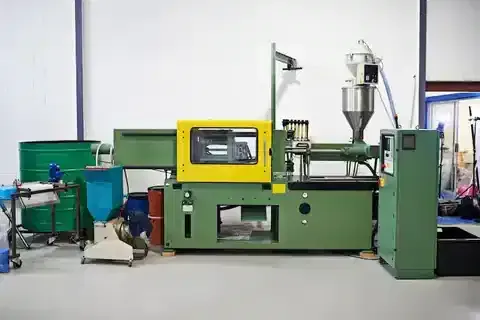
- Injection molding
- Blow molding
- Extrusion
- Thermoforming
These methods allow manufacturers to create everything from simple containers to complex industrial components. The industry operates within a global supply chain, sourcing raw petrochemicals and converting them into finished products.
Why Plastic Manufacturing Matters Today
Plastic manufacturing plays a crucial role in modern economies. It supports industries that rely on affordable and scalable material solutions. From medical devices to food packaging, plastic products help maintain hygiene, safety, and convenience.
Key reasons the topic remains important include:
- Industrial Dependence: Many sectors depend on plastics for production efficiency and product performance
- Consumer Demand: Everyday products such as packaging, electronics, and household goods rely heavily on plastics
- Innovation Driver: Advances in polymer science are enabling new applications like biodegradable plastics and high-performance composites
- Environmental Challenges: Plastic waste management and recycling have become major global concerns
Plastic manufacturers are at the center of solving critical issues such as reducing environmental impact, improving recycling rates, and developing sustainable alternatives.
Recent Updates and Industry Trends (2025–2026)
The plastic manufacturing industry has undergone significant changes in recent years, especially between 2024 and 2025. These updates reflect shifts toward sustainability, digitalization, and regulatory compliance.
Sustainability and Circular Economy
Manufacturers are increasingly adopting circular economy practices.
- Using recycled plastics in production
- Designing products for recyclability
- Reducing single-use plastic dependency
Advanced Manufacturing Technologies
Technological advancements have improved efficiency and precision.
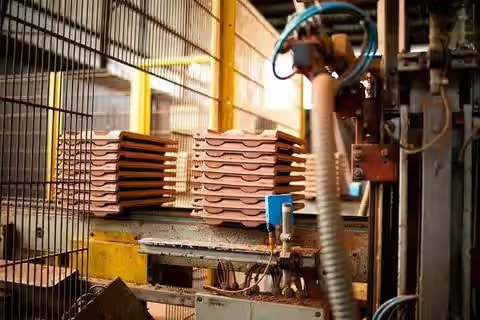
- Automation and robotics in production lines
- AI-based quality control systems
- Smart factories using IoT-enabled machinery
Bioplastics and Alternative Materials
There is growing interest in biodegradable and bio-based plastics. These materials aim to reduce environmental impact while maintaining performance.
Supply Chain Adjustments
Global supply chains have adapted due to geopolitical and economic shifts.
- Local sourcing strategies
- Reducing dependency on single regions
- Improving logistics efficiency
Data Snapshot of Industry Trends
| Trend Area | Key Development (2024–2025) | Impact on Industry |
|---|---|---|
| Sustainability | Increased recycled content usage | Reduced environmental footprint |
| Technology | AI and automation integration | Improved efficiency |
| Materials | Growth of bioplastics | Eco-friendly alternatives |
| Supply Chain | Regional diversification | Better resilience |
| Regulations | Stricter plastic waste rules | Compliance requirements |
Laws and Policies Affecting Plastic Manufacturers
Plastic manufacturing is heavily influenced by government regulations and environmental policies. These rules vary by country but share common goals such as reducing pollution and promoting sustainable practices.
India-Specific Regulations
plastic manufacturers must comply with several policies.
- Plastic Waste Management Rules (2016, amended 2022): Focus on reducing plastic waste and promoting recycling
- Extended Producer Responsibility (EPR): Manufacturers are responsible for managing the lifecycle of their products
- Single-Use Plastic Ban (2022): Certain plastic items are restricted to reduce environmental harm
Global Regulatory Trends
Other regions have introduced similar frameworks.
- European Union directives on plastic reduction
- Recycling targets in North America
- International agreements on marine plastic pollution
Compliance with these regulations requires manufacturers to adopt better waste management practices, use sustainable materials, and maintain transparency in production processes.
Tools and Resources for Plastic Manufacturing
Plastic manufacturers rely on a variety of tools and resources to improve production, ensure quality, and meet regulatory requirements.
Digital Tools and Software
- CAD (Computer-Aided Design) software for product design
- ERP systems for supply chain and inventory management
- Simulation tools for mold design and testing
Industry Standards and Guidelines
- ISO standards for quality and environmental management
- Material safety data sheets (MSDS)
- Compliance documentation frameworks
Online Platforms and Knowledge Resources
- Industry research reports and databases
- Government portals for compliance updates
- Educational platforms for polymer science
Technical Equipment
- Injection molding machines
- Extrusion systems
- Recycling and reprocessing units
These resources help manufacturers optimize operations, reduce waste, and maintain consistency in product quality.
Frequently Asked Questions
What do plastic manufacturers produce?
Plastic manufacturers produce a wide range of products including packaging materials, automotive parts, medical devices, consumer goods, and industrial components.
How is plastic manufactured?
Plastic is manufactured by processing raw polymers through techniques such as injection molding, extrusion, and blow molding to create specific shapes and products.
Why is plastic widely used in industries?
Plastic is lightweight, durable, cost-efficient, and versatile. These properties make it suitable for various applications across multiple industries.
What are the environmental concerns related to plastics?
The main concerns include plastic waste accumulation, pollution, and low recycling rates. These issues have led to increased focus on sustainable alternatives and recycling systems.
Are there eco-friendly alternatives to traditional plastics?
Yes, alternatives such as biodegradable plastics and bio-based polymers are being developed to reduce environmental impact while maintaining functionality.
Conclusion
Plastic manufacturers are an essential part of the global industrial ecosystem. They provide materials that support innovation, efficiency, and everyday convenience. At the same time, the industry faces increasing pressure to address environmental challenges and comply with evolving regulations.
Recent developments show a clear shift toward sustainability, technological advancement, and improved supply chain resilience. With the adoption of advanced tools and responsible practices, plastic manufacturers are working to balance industrial growth with environmental responsibility.
Understanding this industry helps individuals and businesses make informed decisions about material usage, sustainability, and future trends in manufacturing.