Machine Evolution: An Overview of Industrial and Digital Transformation
Machine evolution refers to the gradual development of machines from simple mechanical tools to advanced intelligent systems powered by automation, artificial intelligence, and data-driven technologies. This evolution exists because humans continuously seek efficiency, accuracy, and scalability in solving complex problems.
In earlier times, machines were designed to reduce physical labor. Over time, innovations in computing and electronics enabled machines to perform logical tasks. Today, machine evolution focuses on cognitive capabilities such as learning, predicting, and decision-making.
The concept is closely linked to advancements in fields like artificial intelligence, robotics, industrial automation, and machine learning. These technologies allow machines to adapt, improve performance, and operate with minimal human intervention.
Why Machine Evolution Matters Today
Machine evolution plays a significant role in shaping modern industries and daily life. It affects businesses, governments, and individuals by transforming how work is done and how systems operate.
The importance of machine evolution can be understood through several key points:
- It improves productivity by automating repetitive and time-consuming tasks
- It enhances accuracy in fields like healthcare, finance, and manufacturing
- It supports data-driven decision-making through analytics and predictive models
- It enables innovation in areas such as smart cities, autonomous vehicles, and digital infrastructure
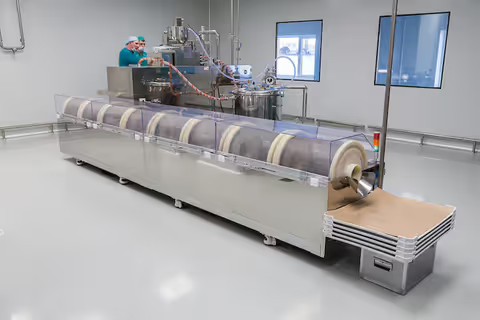
Industries such as manufacturing, logistics, healthcare, and information technology are heavily influenced by machine evolution. For example, automated production lines reduce errors, while AI-powered diagnostics improve medical outcomes.
Machine evolution also addresses challenges such as labor shortages, operational inefficiencies, and increasing demand for precision.
Recent Updates and Trends in Machine Evolution
Over the past year, machine evolution has seen rapid growth, especially in artificial intelligence and automation technologies.
Key developments from 2025 to early 2026 include:
- Increased adoption of generative AI in enterprise systems
- Expansion of industrial automation using IoT-enabled machinery
- Growth of edge computing for real-time data processing
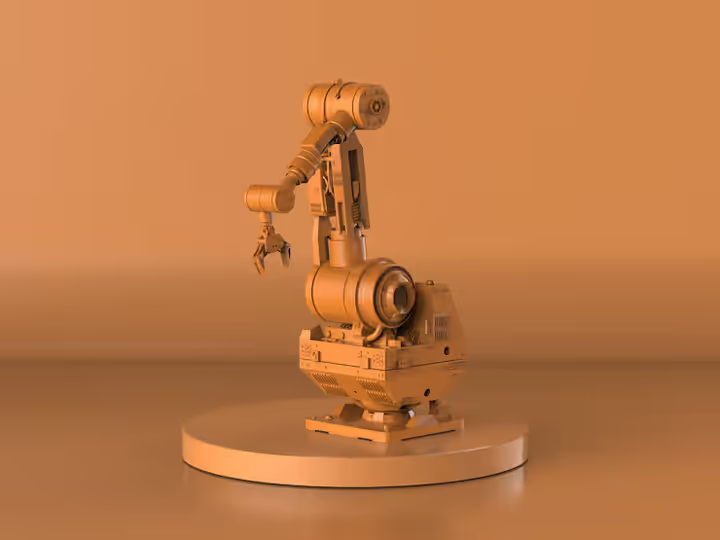
- Advancements in robotics for warehouse and logistics operations
- Integration of AI in cybersecurity systems
In 2025, several global organizations introduced AI governance frameworks to ensure responsible use of intelligent systems. Additionally, industries began focusing more on sustainable machine technologies to reduce energy consumption and environmental impact.
Another important trend is the rise of human-machine collaboration, where machines assist rather than replace human roles. This approach improves productivity while maintaining human oversight.
Laws, Policies, and Regulations Affecting Machine Evolution
Machine evolution is influenced by various laws and policies that aim to ensure safety, fairness, and ethical use of technology.
In India and globally, several regulations impact how machines .
AI systems are developed and used:
- Data protection laws regulate how machines collect and process user data
- AI governance frameworks ensure transparency and accountability
- Industrial safety standards control the use of automated machinery
- Cybersecurity policies protect systems from digital threats
For example, India’s Digital Personal Data Protection Act (2023) influences how AI systems handle personal information. Similarly, global initiatives like AI ethics guidelines encourage responsible innovation.
Governments are also promoting machine evolution through programs that support digital transformation, smart manufacturing, and technology adoption in small and medium enterprises.
Tools and Resources for Machine Evolution
Various tools and platforms support the development and understanding of machine evolution. These tools are used by professionals, researchers, and organizations to build, analyze, and manage intelligent systems.
Commonly used tools include:
- Machine learning frameworks such as TensorFlow and PyTorch
- Data analytics platforms like Power BI and Tableau
- Cloud computing services for scalable machine operations
- Industrial IoT platforms for connected machinery
- Simulation software for testing automated systems
Below is a comparison table of key tools used in machine evolution:
| Tool/Platform | Primary Use | Key Feature |
|---|---|---|
| TensorFlow | Machine learning development | Scalable AI model training |
| PyTorch | Deep learning research | Flexible model design |
| Power BI | Data visualization | Interactive dashboards |
| Tableau | Business intelligence | Real-time analytics |
| AWS Cloud Services | Cloud infrastructure | Scalable computing resources |
| Siemens IoT Suite | Industrial automation | Smart factory integration |
These tools help organizations improve efficiency, optimize processes, and implement advanced machine systems.
Frequently Asked Questions
What is meant by machine evolution?
Machine evolution refers to the transformation of machines from simple mechanical devices to advanced systems capable of learning, adapting, and making decisions using data and algorithms.
How is machine evolution different from automation?
Automation focuses on performing tasks without human intervention, while machine evolution includes broader advancements such as learning capabilities, intelligence, and system integration.
Which industries benefit most from machine evolution?
Industries such as manufacturing, healthcare, logistics, finance, and information technology benefit significantly due to improved efficiency, accuracy, and scalability.
What are the risks associated with machine evolution?
Potential risks include data privacy concerns, cybersecurity threats, and ethical challenges related to decision-making by machines.
Is machine evolution replacing human jobs?
Machine evolution is more about transforming roles rather than replacing them. It creates opportunities for new skills and enhances human productivity through collaboration with machines.
Conclusion
Machine evolution represents a continuous journey toward smarter, more efficient, and adaptive systems. From basic tools to intelligent machines, this transformation has reshaped industries and everyday life.
As technology continues to advance, machine evolution will play a central role in solving complex challenges, improving productivity, and enabling innovation. However, it also requires careful regulation, ethical considerations, and responsible implementation.
Understanding machine evolution helps individuals and organizations stay informed, adapt to changes, and make better decisions in a rapidly evolving technological landscape.